Sourcing Wholesale Japanese Tea and Teaware
In the global beverage industry, few categories offer the same blend of ancient tradition, health appeal, and sensory sophistication as Japanese tea. For boutique retailers, high-end hospitality venues, and specialized cafes, integrating authentic Japanese tea is more than a menu expansion; it is an elevation of the brand.
However, sourcing at a wholesale level requires more than just finding a supplier; it requires a partnership with curators who understand the nuances of the harvest, the integrity of the makers, and the logistics of international quality control. At Morihata, we specialize in bridging the gap between Japan’s premier tea estates and the global market, making sure that every leaf and vessel tells a story of intentionality.
Why Invest in Authentic Japanese Tea?
The modern consumer is increasingly discerning. They are moving away from generic "green tea" toward specific cultivars, regional profiles, and artisanal production methods. By sourcing Japanese green tea wholesale, businesses can tap into several growing market trends:
The Ritual Experience: In a fast-paced world, the ritual of preparing Matcha or Sencha offers a moment of mindfulness that customers are willing to pay a premium for.
Health and Wellness: Japanese green teas are world-renowned for their high concentrations of antioxidants, specifically EGCG, and the calming amino acid L-theanine.
Aesthetic Sophistication: Japanese teaware is a masterclass in functional art. Objects like a chawan or Gatto tea storage products transform a service into a visual performance.
Understanding the Landscape of Wholesale Japanese Tea
When sourcing tea at volume, it is essential to understand the categories and grades available. Not all green tea is created equal, and your selection should reflect your business’s specific needs; whether that is high-grade ceremonial matcha for a traditional tea house or versatile culinary matcha for a bakery.
1. Matcha: The Crown Jewel
Matcha is finely ground powder made from shade-grown tea leaves (Tencha). When buying wholesale, you must distinguish between:
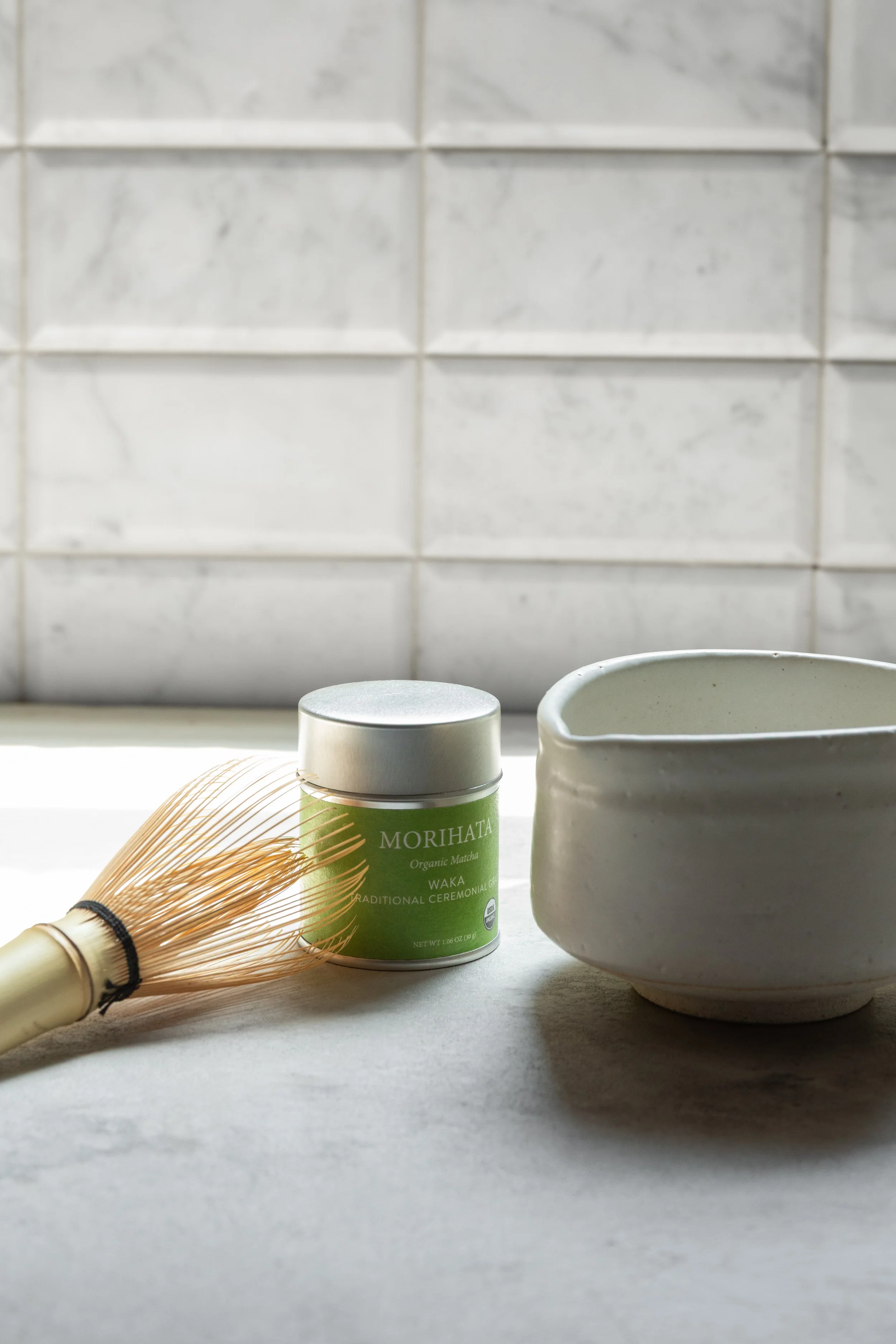
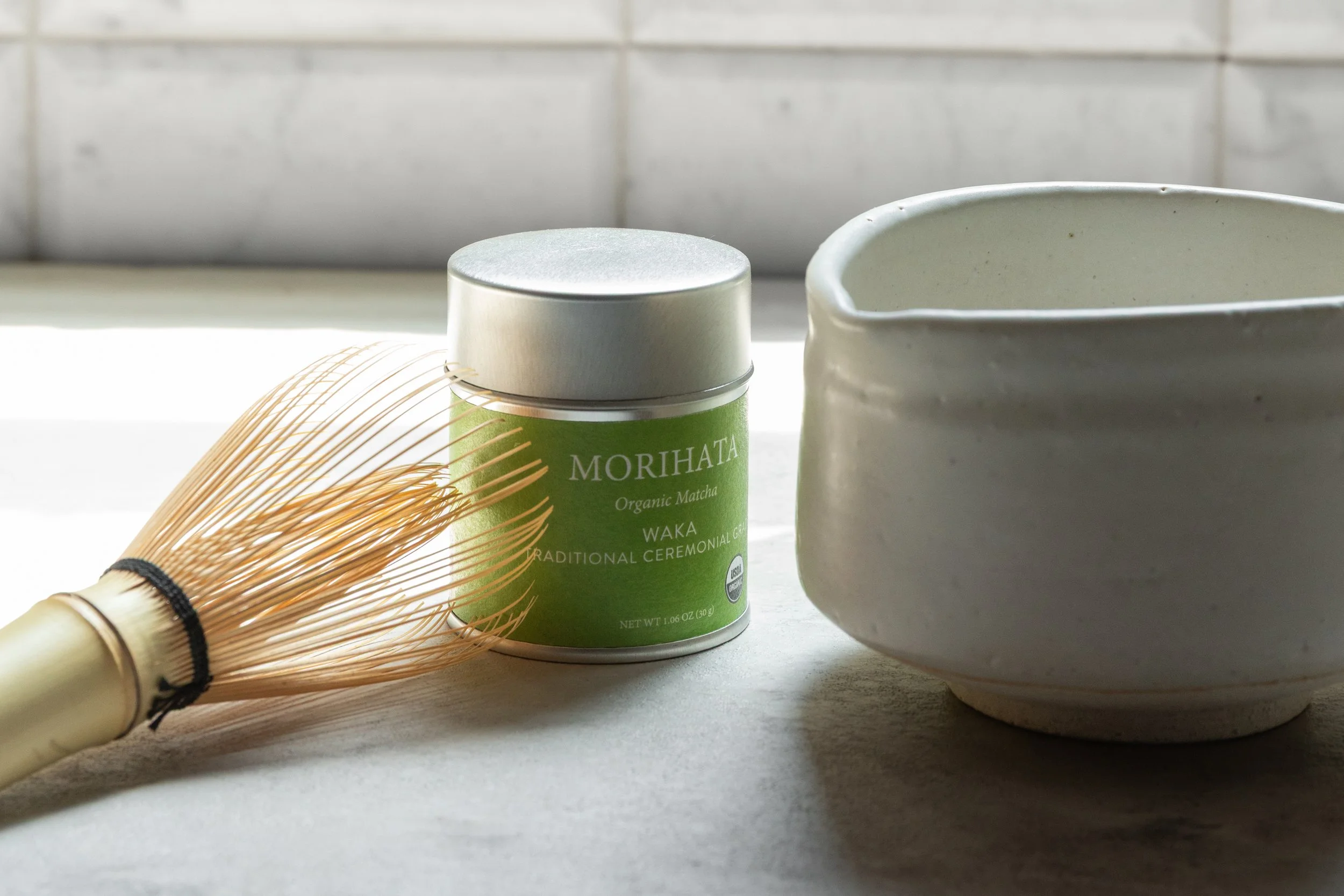
Ceremonial Grade: Intended to be whisked with water and consumed straight. It should have a vibrant electric-green color and a delicate, creamy umami flavor.
Culinary Grade: Bolder and more astringent, designed to stand up to the fats and sugars in lattes, chocolates, and pastries.
2. Sencha: The Everyday Classic
Sencha represents the majority of tea produced in Japan. It is steamed to prevent oxidation, resulting in a fresh, grassy, and sometimes oceanic profile. Look for "First Flush" (Shincha) Sencha for the highest quality and most complex flavor profiles.
3. Hojicha: The Toasty Alternative
Hojicha is made by roasting green tea leaves at high temperatures. This process lowers the caffeine content and replaces the grassy notes with a warm, nutty aroma reminiscent of cocoa or toasted grain. It is an excellent "entry-level" tea for coffee drinkers and a favorite for evening service.
4. Genmaicha: The Comfort Tea
A blend of green tea and roasted brown rice, Genmaicha offers a savory, popcorn-like flavor that is incredibly approachable and pairs exceptionally well with food.
Beyond the Leaf: The Importance of Wholesale Teaware
A premium tea program is incomplete without the proper vessels. In Japanese culture, the teaware is considered just as important as the tea itself. Sourcing wholesale teaware allows your business to offer a complete "lifestyle" package to your customers.
The Chawan (Matcha Bowl)
In the ritual of tea, the vessel is just as important as the leaf. The Chawan, or tea bowl, is the focal point of the Japanese matcha ceremony. Unlike a standard cup, a Chawan is designed with a wide, open silhouette to provide the necessary surface area for whisking matcha into a delicate, creamy froth.
At Morihata, we curate handcrafted Chawan produced in Gifu, a region with a ceramic history spanning over a millennium. These bowls are not merely functional items; they are hand-thrown works of art that reflect the Wabi-sabi aesthetic; finding beauty in the organic and the imperfect. For a wholesale partner, offering Gifu-produced ceramics provides customers with an authentic connection to Japanese heritage and a superior tactile experience during their daily ritual.
Sophisticated Tea Storage
The longevity and flavor profile of premium tea are entirely dependent on how the leaves are stored. Exposure to light, moisture, and air can rapidly degrade delicate green teas. To address this, we feature an exquisite collection of tea canisters.
Based in the historic woodworking region of Yamanaka, Gato utilizes traditional wood-turning techniques to create storage solutions that are as airtight as they are beautiful. These canisters are carved from solid wood, highlighting the natural grain while providing a stable, light-proof environment for loose-leaf tea or matcha powder.
Why Choose Professional Tea Tools?
Thermal Consistency: The thick walls of a Gifu-made Chawan retain heat effectively, making sure the tea stays at the optimal temperature throughout the tasting.
Material Integrity: Wooden storage prevents the "metallic" or "plastic" scent transfer often found in lower-quality containers, preserving the tea’s true aroma.
Artisanal Appeal: Hand-finished tools serve as a bridge between the producer and the consumer, adding a layer of narrative and value to your retail or hospitality offering.
By focusing on these essential components, the vessel for preparation and the sanctuary for storage, you provide your clients with the foundational elements of a sophisticated Japanese tea experience.
How to Choose a Wholesale Partner
Choosing the right wholesale partner is the most critical decision in your sourcing journey. A low price point often masks poor storage conditions, old harvests, or unethical labor practices. When evaluating a partner like Morihata, consider the following criteria:
1. Freshness and Seasonality
Tea is an agricultural product with a shelf life. Your wholesaler should be able to provide information on the harvest date. High-grade Japanese tea is typically harvested in the spring (Ichibancha). A reputable supplier makes sure that wholesale stock is stored in climate-controlled environments to preserve the delicate volatile oils in the leaves.
2. Curation and Storytelling
In a crowded market, the "story" sells. Morihata prides itself on representing makers who have spent generations perfecting their craft. Whether it is a family-run tea farm in Uji or an artisanal kiln in Gifu, having access to these narratives allows you to educate your staff and engage your customers more deeply.
3. Sustainability and Ethics
Authentic Japanese tea production is inherently tied to the land. Seek wholesalers who support traditional farming methods and fair trade practices. This secures the longevity of the industry and the quality of the product.
The Morihata Difference in Wholesale
At Morihata, we don’t just sell products; we offer a gateway to Japanese culture. Our wholesale program is designed for partners who value quality over quantity and craftsmanship over mass production. We meticulously vet every tea and piece of teaware in our collection to guarantee they meet our rigorous standards of aesthetics and functionality.
By choosing Morihata as your wholesale partner, you gain access to:
A curated selection of Japan’s finest organic and artisanal teas.
Authentic, handcrafted teaware that stands out in a retail or hospitality setting.
Expert guidance on how to build and maintain a successful tea program.
Conclusion: Elevating the Everyday
Wholesale Japanese tea and teaware represent a significant opportunity for growth in the specialty food and beverage sector. By focusing on authenticity, quality, and the beauty of the ritual, you can create a sanctuary of taste for your customers.
As you embark on this journey, remember that the best tea programs are built on a foundation of education and passion. Contact Morihata today to confidently bring the refined elegance of the Japanese tea tradition to your community.