
Storing and Displaying Matcha Products: Retail Best Practices for Freshness

You open a fresh tin of ceremonial-grade matcha, and the vibrant green powder practically glows under your store lights. Three weeks later, that same tin looks dull and brownish, and customers are starting to ask questions. This nightmare scenario happens in retail spaces every day, costing store owners money and damaging their reputation for quality.
Why Matcha Demands Different Storage Than Other Teas
Matcha presents unique challenges that don't apply to loose-leaf teas. When tea leaves get ground into ultra-fine powder, you exponentially increase the surface area exposed to air, light, and moisture. Oxidation happens rapidly, sometimes within hours of opening a package.
The vibrant green color comes from chlorophyll, which breaks down quickly when exposed to oxygen and light. Temperature fluctuations compound the problem by creating condensation inside containers, introducing moisture that causes clumping and accelerates degradation.
The Three Enemies of Matcha Freshness
Light exposure tops the list of threats to matcha quality. Even indirect sunlight or bright retail lighting degrades chlorophyll and causes oxidation. Oxygen is the second major threat. Every time a container opens, oxygen rushes in and starts breaking down the delicate compounds. Moisture and temperature fluctuations create the third vulnerability. Matcha is hygroscopic, meaning it actively absorbs moisture from the air.
Light: Breaks down chlorophyll, causing dull color and off flavors. Protection: Use opaque containers, dark storage locations, and minimize display exposure to any light sources.
Oxygen: Oxidizes delicate compounds, creating a flat or bitter taste instead of the characteristic sweet umami. Protection: Maintain airtight seals, use nitrogen flushing when possible, and ensure quick inventory turnover.
Moisture/Heat: Causes clumping, creates mold risk, and accelerates all forms of degradation. Protection: Store in climate-controlled environments with proper seals and stable temperatures between 35-50°F. Keep in mind, it’s important to all the matcha to return to room temperature before use.
Optimal Storage Conditions for Wholesale Matcha Inventory
Green tea is sensitive to heat, humidity, light, and strong odors. Matcha, in particular, is especially delicate and can discolor or lose its quality more quickly, so proper storage is essential.
Unopened packages are fully sealed, so there is no need to worry about moisture, light exposure, or odor absorption before opening. However, tea is vulnerable to heat, so we recommend storing it in the refrigerator whenever possible. After opening, please enjoy it while it is still fresh. To prevent odor transfer, press out excess air, place the matcha in an airtight tin, close the lid securely, and store it in the refrigerator.
Freezer storage should be used only for long-term preservation. When using matcha that has been frozen, allow it to return to near room temperature before opening the container. Opening it while still cold may cause condensation, which can lead to moisture damage. The same applies to refrigerated matcha. It’s safe to bring it close to room temperature before use for the best quality.
Keep matcha away from strong-smelling products. This fine powder absorbs odors readily. If refrigerating, store matcha in a separate compartment or sealed container away from produce and other aromatic items. Rotate stock religiously using a first-in, first-out system.
Critical Storage Steps:
Choose the coolest, darkest location in your facility, ideally between 35-50°F. A dedicated beverage refrigerator works best.
Segregate matcha from all aromatic products, including coffee, spices, produce, and cleaning supplies, to prevent odor absorption.
Label every container with the arrival date and expected turnover date. Ceremonial grades taste best within six months of harvest.
Position older stock at the front and implement a strict first-in, first-out rotation system to prevent waste.
Seal all containers completely after every access. Store opened containers horizontally to minimize oxygen exposure to powder surface.
Display Strategies That Sell While Preserving Quality
Creating an attractive matcha display requires balancing visual appeal with freshness concerns. Your display tins should not be your selling stock. Use decorative containers for visual merchandising, but keep actual product behind the counter or in climate-controlled storage until purchase.
Japanese tea canisters like those handcrafted by Gato Woodworks serve perfectly as both display pieces and functional storage. These airtight vessels made from Cherry Birch with lacquered finishes protect contents while adding authentic aesthetic appeal. Position your matcha display away from direct lighting and heat sources.
Creating Educational Display Elements
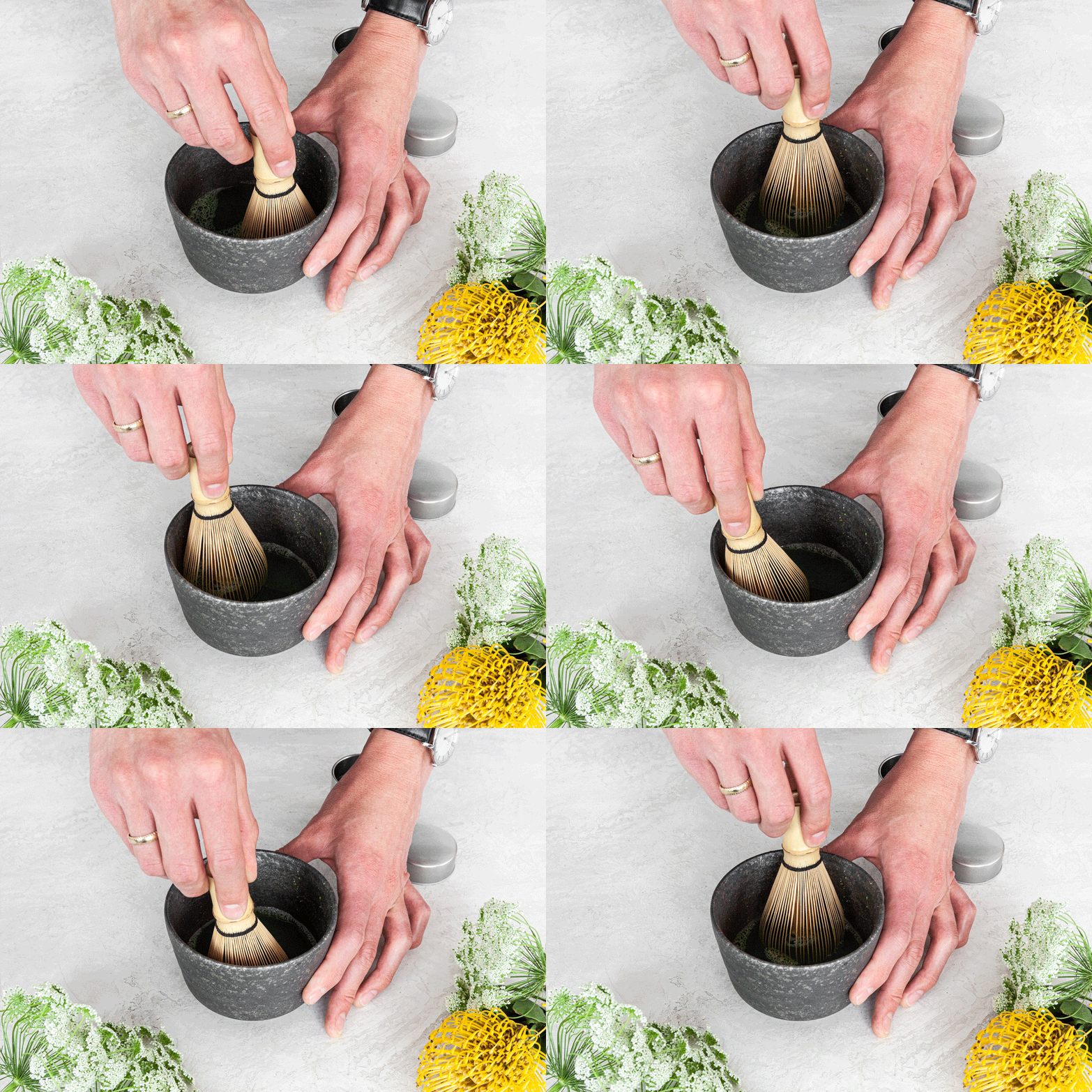
Customers often hesitate to buy matcha because they don't understand it. Your display should educate as it sells. Include information cards explaining the difference between ceremonial and culinary grades. Visual guides showing proper whisking technique or suggested serving sizes reduce purchase anxiety.
Essential information to display near matcha products:
Grade distinction and recommended uses (ceremonial for drinking, culinary for cooking and baking)
Serving size, servings per container, and typical cost per serving
Brewing temperature (160-175°F) and basic preparation steps with a traditional bamboo whisk
Health benefits and caffeine content compared to coffee (approximately 70mg per serving)
Storage instructions for after purchase, emphasizing refrigeration and airtight sealing
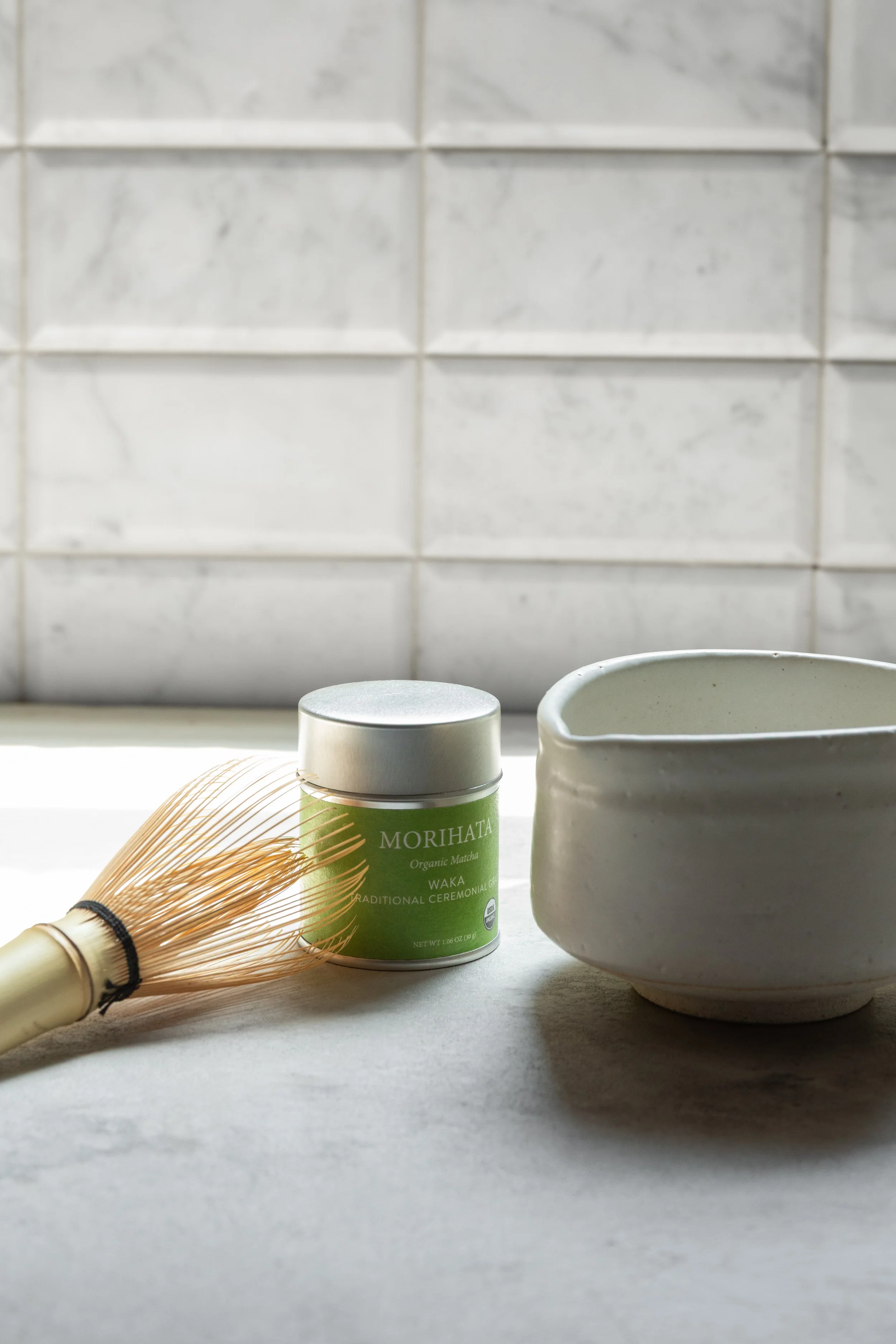
Bundle opportunities work exceptionally well with matcha. Display whisks, scoops, and bowls alongside tins to encourage customers to purchase complete sets. This increases average transaction value while improving customer success with the product.
Sample Station Best Practices
If you offer matcha samples or demonstrations, treat this as a special event requiring careful preparation. Prepare only what you need for immediate sampling, using matcha from a container opened specifically for this purpose. Never return unused prepared matcha to storage.
Keep sample preparation matcha in a small, dedicated container that you'll use up quickly. This prevents repeatedly opening and closing your primary inventory containers. Consider seasonal sampling schedules rather than permanent sample stations to create urgency and excitement while limiting product exposure.
Temperature and Humidity Control in Retail Spaces
Most retail environments aren't ideal for storing delicate teas. Standard store temperatures that feel comfortable to shoppers run too warm for optimal matcha storage. Create a specific storage protocol that acknowledges this reality rather than fighting it.
If you can't refrigerate all inventory, keep display quantities minimal and replenish from properly stored back stock throughout the day. Think of your display like a produce section: the pretty pile of apples customers see represents a tiny fraction of total inventory kept in climate-controlled storage.
Temperature Management Protocol:
Identify the coolest zone in your building, typically on north-facing walls away from windows and HVAC vents. Store bulk inventory here.
Transfer small quantities to insulated containers for short-term display periods, limiting exposure to 2-4 hours maximum.
Schedule display restocking during cooler morning hours before peak customer traffic and heat buildup.
Reduce display quantities by 30-50% during summer months when ambient temperatures exceed 75°F consistently.
Install simple humidity monitors (30-50% relative humidity is optimal) and adjust storage locations seasonally based on readings.
Packaging Matters: What to Look For
When going through the process of purchasing bulk green tea or matcha suppliers, packaging quality should factor heavily into your decision. Premium matcha should arrive in opaque, resealable pouches or tins with tight-fitting lids. Look for suppliers who use nitrogen flushing or vacuum sealing to remove oxygen before sealing containers.
Morihata International sources organic ceremonial-grade matcha from the renowned Kirishima region, where master growers have perfected cultivation over five generations, and this premium tea arrives in packaging designed to preserve its exceptional quality. Consider how packaging translates to your retail environment and whether you need to transfer products to smaller containers.
Educating Staff on Matcha Handling
Your team's knowledge and practices directly impact product quality. Every staff member who touches matcha inventory should understand the storage requirements and handling protocols. Create a simple checklist for opening new inventory and refreshing displays.
Empower staff to remove any matcha showing signs of degradation before customers notice. A dull, brownish tint signals oxidation. Clumping indicates moisture exposure. Off smells mean the product absorbed odors from the environment.
Seasonal Merchandising Strategies
Matcha sales often follow seasonal patterns. Demand typically increases in fall and winter when customers crave warming beverages, then dips in summer when cold drinks dominate. Smart retailers adjust inventory levels and display strategies accordingly.
During peak seasons, your matcha display can take center stage with expanded variety and prominent placement. Feature both ceremonial grades for traditional preparation and culinary grades for seasonal lattes and baked goods. Summer requires a different approach. It’s wise to reduce display quantities but promote cold brew matcha, matcha smoothies, and iced lattes. Even investing in green tea hard candy wholesale can be the perfect complement to your seasonal display.
Pricing Strategy for Perishable Premium Products
Many retailers underprice matcha because they don't account for the special handling and rapid turnover it requires. Your pricing should reflect the reality that you're managing a highly perishable specialty item. Customers shopping for authentic Japanese matcha understand they're buying quality and expect to pay accordingly.
Consider the total cost of matcha merchandising: specialized storage, faster turnover requirements, smaller batch ordering, and degradation risk. Don't compete with discount retailers on price. Instead, compete on freshness, authenticity, education, and experience.
Handling Customer Questions About Freshness
Customers asking about freshness offer perfect opportunities to demonstrate expertise and build trust. Be transparent about your storage practices and turnover rates. Show customers date codes or lot numbers on packaging.
When customers see you treating matcha with respect and care, they understand why it costs what it does. They also gain confidence that they're buying from someone who truly understands the product, not just someone putting it on shelves because it's trendy.
Long-Term Success With Matcha Merchandising
Building a successful matcha business requires patience and consistency. Your reputation for selling fresh, high-quality matcha develops over time as customers have positive experiences. Treat matcha as a relationship product rather than a transaction product.
Remember that matcha represents more than just another SKU. It's a gateway to Japanese tea culture, a daily wellness ritual for many customers, and a product category that rewards retailers who invest in doing it right.
Partner With Quality Suppliers for Retail Success
The foundation of successful matcha merchandising starts with sourcing from suppliers who understand quality and freshness. Morihata connects retailers directly with certified organic matcha from master tea growers in the Kirishima region, providing products that arrive with optimal freshness and proper packaging.
Get in touch with us today to explore the Morihata Organic Tea collection and discover how partnering with knowledgeable suppliers sets your store apart.