Why Are Japanese House Slippers Worn? How Morihata Keeps the Custom Alive
Walking into a Japanese home involves more than just opening a door and stepping inside. You immediately encounter a distinct architectural feature called the genkan, which signals a clear boundary between the outside world and the private interior. This sunken entryway serves as the designated zone for removing outdoor footwear before entering the main living area. Brands like Morihata, which specialize in thoughtfully crafted Japanese home goods, often reference the genkan as the starting point of daily rituals rooted in cleanliness and mindfulness. The practice is not merely a quaint tradition but a fundamental aspect of daily life that maintains hygiene and social order. Understanding this custom is essential for anyone planning to visit Japan travel destinations or stay with a local family.
The transition from street to home requires a specific set of actions that separates public dirt from private cleanliness. You will notice that Japanese people take this separation seriously, as it reflects deeply ingrained cultural values regarding purity and pollution. Leaving your shoes at the door prevents mud, dust, and invisible germs from tracking across the pristine floors. This habit keeps the living space sanitary and reduces the time needed for heavy cleaning. Many Morihata products, from indoor slippers to entryway accessories, are designed with this philosophy in mind, supporting the physical and psychological shift from the chaotic exterior to the calm interior.
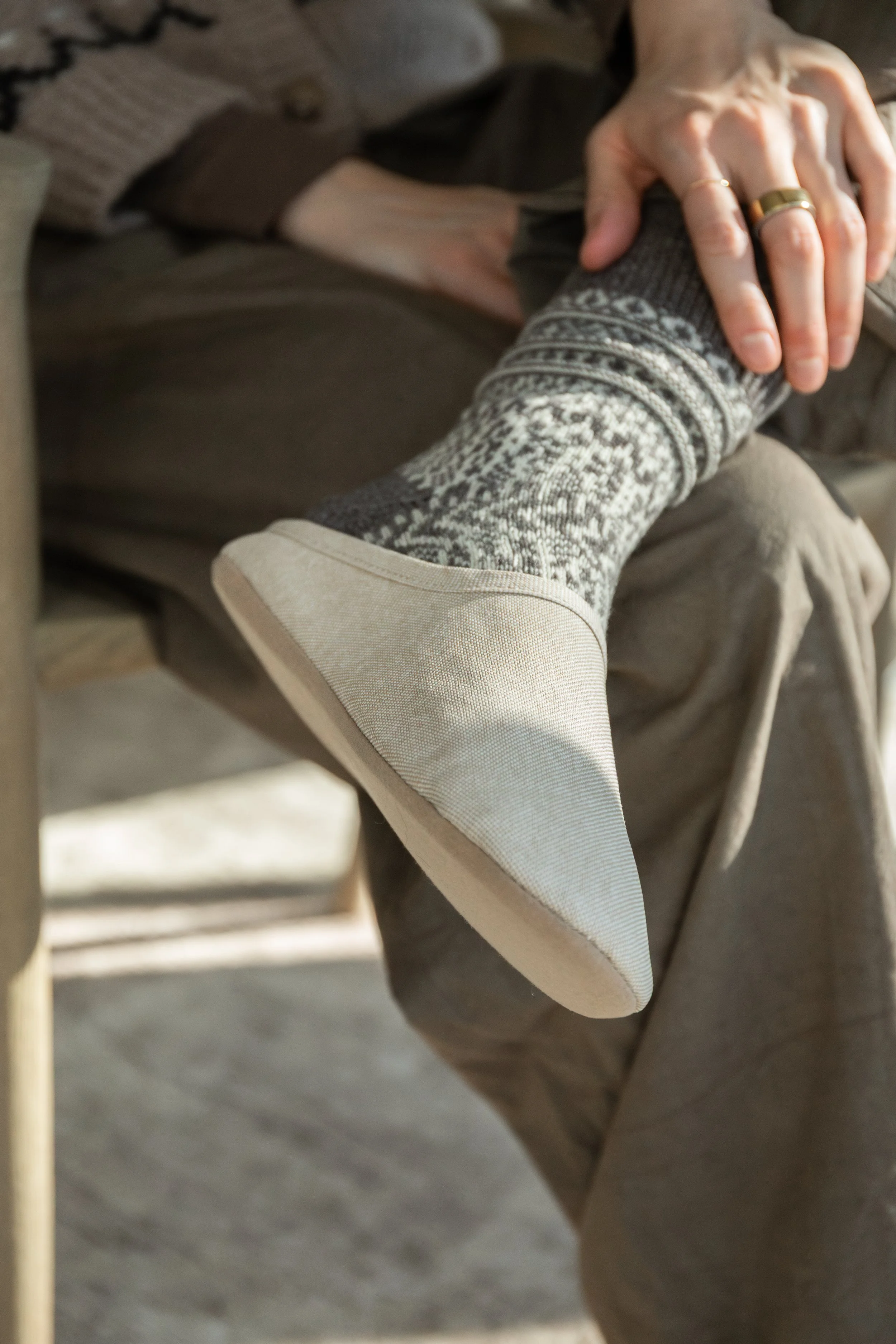
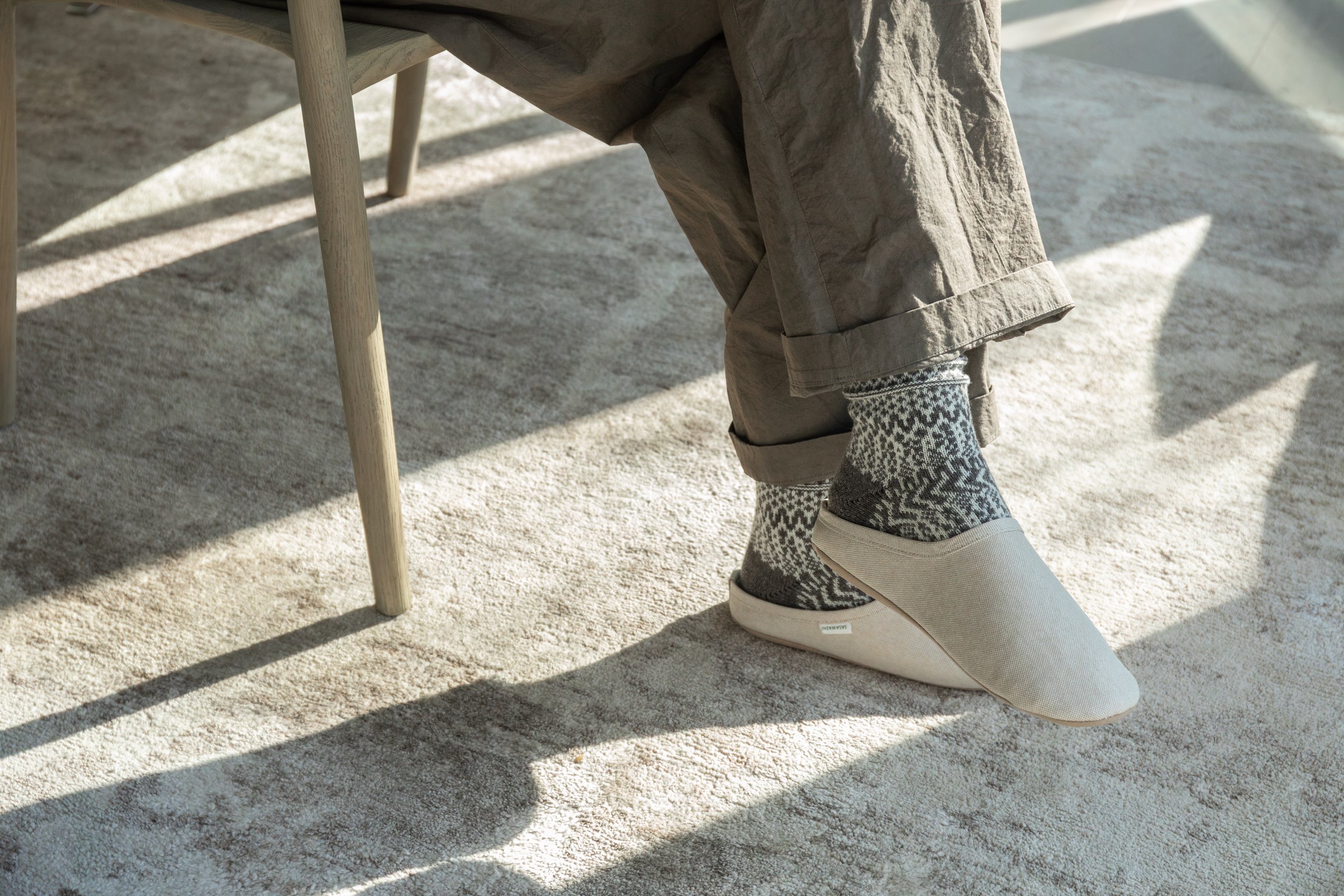
Once your shoes are off, you do not simply walk around in your socks or bare feet in every situation. The host typically provides a pair of Japanese house shoes for you to wear while walking on wooden or tiled flooring. These indoor shoes keep your feet warm during colder months and provide a layer of cushion against hard surfaces. Carefully designed slippers, such as those curated by Morihata, balance comfort, durability, and understated aesthetics. However, the rules change again depending on the specific room you enter or the surface you are walking on. Mastering this footwork is a sign of respect and awareness.
The Cultural Significance of the Genkan
The genkan is the first thing you see when entering Japanese homes, acting as a buffer zone. It is usually built a step lower than the rest of the hallway to visually demarcate where the outside ends and the inside begins. You should leave your door shoes pointing toward the exit, a gesture that signals readiness to leave and makes putting them back on easier. This area often contains shoe lockers or a shelving unit called a getabako to store family footwear neatly out of sight. Many contemporary Japanese households enhance this space with minimalist storage and textiles similar to those offered by Morihata, blending tradition with modern design.
This architectural design influences how people interact with the space immediately upon arrival. You step out of your shoes in the lower area and step up into the house without your bare foot ever touching the dirty genkan floor. This maneuver requires a bit of balance but quickly becomes second nature after a few tries. The separation is so critical that even delivery workers or neighbors stopping for a quick chat will usually stay in the genkan. They respect the boundary of the living spaces without needing to fully enter.
The concept extends beyond private residences to many other establishments across the country. You might encounter similar setups in traditional inns, some restaurants, and even fitting rooms in clothing stores. The presence of a raised floor is your universal cue to look for a place to stow your shoes. Ignoring this signal is a major breach of indoor etiquette that can cause embarrassment for both you and your hosts. It shows a lack of observation regarding the physical cues that define the environment.
Key Takeaways
The genkan serves as a critical hygiene barrier between the outside world and the home interior.
You must step directly from your shoes onto the raised floor without touching the entryway dirt.
Pointing your shoes toward the door is a polite gesture that facilitates an easier departure.
The Role of Tatami Mats in Slipper Rules
Traditional flooring materials significantly dictate Japanese culture regarding footwear. Many rooms, particularly bedrooms or tea rooms, feature tatami mats made from woven rush grass and rice straw. These mats are incredibly delicate, fragrant, and soft, but they are also susceptible to damage from friction and heavy weight. Wearing any kind of hard-soled footwear on them would tear the fibers and ruin the aesthetic.
This is where the rules of the Japanese house become stricter. You must remove even your house slippers before stepping onto a tatami room floor. Walking barefoot or, more preferably, wearing clean socks is the only acceptable way to move across these mats. The texture of the tatami feels pleasant underfoot and provides a direct connection to the natural materials used in traditional Japanese architecture. Socks also help absorb oils from the skin that might otherwise stain the rush grass over time.
Failure to remove slippers before entering a tatami area is a common mistake for visitors from Western countries. It is comparable to walking on a white carpet with muddy boots in terms of the shock it causes a host. You do not need a site map of the house to know where to stop; the change in flooring texture acts as your guide. Always look down when the flooring changes to determine if you need to shed your slippers.
Warning: Never wear slippers on tatami mats. The woven rush is fragile and easily damaged by the soles, so you must enter these rooms in socks or bare feet only.
Comfort and Climate Considerations
Beyond hygiene and tradition, there are practical reasons why people wear slippers indoors. Japanese winters can get quite cold, and many traditional houses lack central heating systems like those found in the West. Floors made of wood or linoleum can become freezing, making providing comfort a necessity through warm footwear. A good pair of quality slippers or Japanese boots, including those curated by Morihata, helps retain body heat and makes moving through unheated corridors bearable.
Conversely, the summers in Central Japan are notoriously hot and humid. During these months, homeowners might switch to open-toed slippers made of breathable materials like bamboo or linen. This adaptation keeps feet cool while still maintaining the barrier against dust and floor debris. The Japanese design of these items often focuses on seasonality, with different textures and weights appropriate for different times of year. It is a functional approach to daily life that aligns with the changing seasons.
Travelers using a rail pass to explore different regions will notice these variations in footwear styles. From the snowy north to the subtropical south, the function of the slipper remains constant even if the material changes. It allows residents to explore cities and return to a clean, controlled environment at home. The custom is so pervasive that even modern apartments with floor heating often retain the slipper habit.
How to Handle Indoor Footwear Like a Pro
Remove Outdoor Shoes at the Genkan
Step out of your shoes and onto the raised floor without your socks touching the lower entryway dirt. Arrange your shoes pointing toward the door.
Tip: Slip-on shoes make this process much smoother when traveling in Japan.
Put on the Provided Slippers
Slide your feet into the guest slippers usually waiting for you. Use these for all wooden or tiled corridor areas.
Adjust for Tatami and Toilets
Remove slippers completely for tatami rooms. Swap house slippers for designated plastic slippers when entering the restroom.
Modern Context and Global Comparisons
While this custom feels distinctly Japanese, similar practices exist in other parts of Asia like Hong Kong or Korea. However, the strictness regarding the Japanese slipper creates a specific ritual that defines the domestic atmosphere. Even in modern high-rise apartments that lack traditional architecture, the habit of removing outdoor footwear remains universal. It is a cultural constant that survives despite changes in housing styles and Western influences.
Interestingly, you will find this practice extending into public spaces you might not expect. Some museums specializing in contemporary art require shoe removal to protect delicate installations or flooring. Amusement parks may have indoor play areas or haunted houses where shoes are prohibited indoors. Even if you have internet access and research beforehand, these requirements can sometimes catch tourists off guard. It is always wise to wear socks that are clean and free of holes when exploring.
The global perception of this habit is changing as well. Hygiene awareness has led more people in the West to adopt a "no shoes" policy at home. However, the Japanese system remains distinct due to the layered approach involving different footwear for different zones. Whether you are viewing Mount Fuji from a ryokan window or visiting a friend in Tokyo, participating in this ritual connects you to the local lifestyle, a philosophy echoed by Morihata’s approach to everyday objects.
Key Takeaways
Toilet slippers are mandatory in restrooms and must never be worn back into the main living area.
Slippers provide essential warmth in winter and keep feet cool in summer, adapting to the climate.
Even modern apartments and some public venues like museums enforce shoe removal policies.
Conclusion
The custom of wearing Japanese slippers in a house is a sophisticated system that maintains cleanliness, protects traditional materials, and defines social boundaries. It goes beyond simple hygiene to reflect a deeper respect for the home as a sanctuary. By understanding the roles of the genkan, the room shoe, and indoor etiquette, you can move through these spaces with confidence and politeness.
Whether you are there for business or leisure, mastering this footwork is the first step toward truly connecting with the culture. So, the next time you see a row of slippers lined up at an entrance, you will know exactly what to do. Rail passes and language guides are helpful, but your willingness to follow these silent rules speaks the loudest. Respect the floor, and you respect the host. Contact us at Morihata for more information!